Efficiency Is No Longer Optional
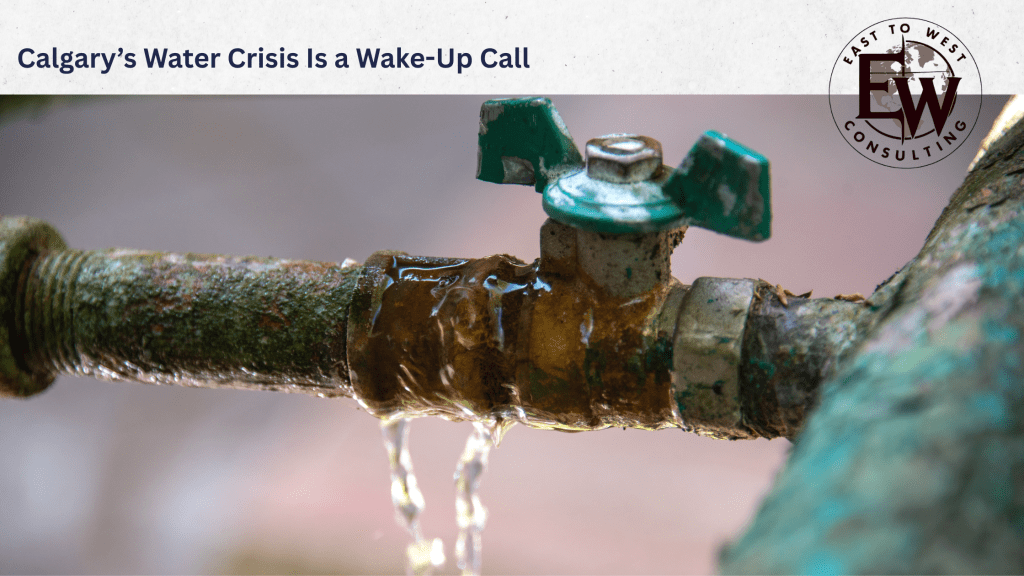
When a major water main fails during winter, the immediate impacts are obvious: disrupted service, water restrictions, and emergency repair costs. The recent water restrictions in Calgary, resulting from pipe failures in freezing conditions, highlight a broader issue: municipalities can no longer rely solely on emergency measures or reactive infrastructure management. Water efficiency is no longer optional; it is essential.
North American water infrastructure is aging. Many cities operate systems built decades ago, with materials and designs that were not intended for current population density, industrial demand, or climate variability. Winter pipe failures, like those Calgary experienced, are becoming more frequent due to extreme temperatures and increased pressure on existing infrastructure. Emergency water conservation measures are necessary but temporary. The real question is why failures cause such significant disruption.
Beyond Supply: The Opportunity in Efficiency
Historically, municipalities have focused on supply: building new reservoirs, sourcing additional water, or installing larger pipelines. These measures address the symptoms but do not eliminate inefficiencies in treatment and distribution systems. The real opportunity lies in reducing losses and improving operational efficiency, both at the plant and in distribution networks.
Within treatment plants, inefficiencies often manifest in ways that are not immediately visible. Overdosing chemicals, poor solids separation, excessive water use in sludge handling, and inadequate process control all contribute to unnecessary water and chemical consumption. When systems are inefficient, emergency situations like the Calgary pipe failure magnify the problem, forcing restrictions that could have been mitigated with better baseline practices.
The Hidden Cost of “Normal Operation”
Many chemical treatment programs are designed with safety margins rather than optimization. While this ensures compliance, it also leads to overuse of chemicals, inconsistent treatment performance, and higher operational costs. Sludge volumes increase, water usage is higher than necessary, and energy is wasted. In a crisis, these inefficiencies become apparent and costly.
East to West Consulting works directly with municipalities to identify these hidden inefficiencies. By analyzing both mechanical and chemical systems, our team can uncover unnecessary chemical use, optimize solids handling, and implement precision dosing strategies, helping facilities reduce total costs while maintaining compliance and reliability.
Moving From Crisis to Resilience
Events like Calgary’s water main break demonstrate the need for a shift in focus. Municipalities and operators must prioritize system resilience and efficiency. East to West Consulting helps operators achieve this by integrating mechanical improvements with smarter chemical programs. This approach maximizes performance, minimizes waste, and improves operational predictability.
Operational changes we implement include:
- Precision dosing of chemicals based on real-time data
- Improved solids separation efficiency to reduce sludge volume
- Reduced water loss in dewatering and handling processes
- Alignment of mechanical performance with chemical application
These strategies make water systems less dependent on emergency measures and more capable of maintaining service under stress.
The Future of Municipal Water Management
The Calgary water crisis is a wake-up call. Municipalities can no longer afford to treat efficiency as secondary to supply. Aging infrastructure, climate pressures, and increasing demand necessitate smarter management of existing systems. With East to West Consulting’s integrated approach, cities can improve system resilience, reduce chemical costs, and ensure compliance while protecting public service reliability.
 East to West Consulting
Leave a comment